(EN)
(EN) 


 Canada - EN
What is Motorhome Insurance and How Does it Work?


On this page
- What is motorhome insurance in Canada?
- What does motorhome insurance cover?
- What doesn’t motorhome insurance typically cover?
- Understanding motorhome classes and coverage needs
- How much does motorhome insurance cost in Canada?
- Who needs motorhome insurance?
- How to choose the right motorhome insurance
- Hit the open road with confidence
- Get Your Free Motorhome Insurance Quote
Whether you’re retired snowbirds ticking off every national park in your RV, a young family heading out on a summer road trip, or a digital nomad working from your campervan, Canadians love life on the road. It makes sense: ours is a nation of wilderness stitched together by highways. With so much to see — from breathtaking coastlines to snowy mountain passes — Canada practically begs to be discovered at 90 kilometres per hour.
Owning a motorhome means freedom to roam, but it’s also a significant financial investment that needs proper protection. When you drive a vehicle that’s a home on wheels, standard auto insurance just won’t cut it.
In this guide, we’ll walk through what is motorhome insurance, how it works in Canada, and how to choose the right protection, so you can hit the road with confidence.
Key takeaways
-
Motorhome insurance protects the vehicle, what’s inside it, and liability on the road.
-
There are mandatory and optional types of coverage, and your province or territory of residence will determine the rules that apply.
-
Insurance companies categorize motorhomes into classes (A, B, and C) each with different insurance needs. Towable trailers are not motorhomes and fall under a different insurance category.
-
Your premium depends on factors like your driving profile, your motorhome’s value and condition, and how you use it.
-
An insurance advisor can help you choose coverage that fits your travel plans and budget.
What is motorhome insurance in Canada?
Motorhome insurance is designed for vehicles that do more than just get you from point A to point B. When your vehicle doubles as a place to sleep, cook, and live — even temporarily — you need coverage that reflects that.
Motorhome insurance is coverage designed for recreational vehicles with a few unique characteristics:
-
Dual purpose: You’re not just driving it — you’re also living in it, at least for part of the time. That means your coverage needs to account for both transportation and accommodation.
-
Higher value: Starting at around $75,000 for second-hand vehicles and going up to $500,000 or more, motorhomes are big-ticket items. So, there’s a lot at stake if something goes wrong.
-
Extended trips: These aren’t quick outings! The whole point of an RV is to get out onto the open road. It’s common to take them on multi-day or multi-week journeys, often far from home.
-
Personal belongings: If you’re away for days or weeks, you’ll probably bring along more than a suitcase. Insurance can help protect your valuables, appliances, electronics, and personal items inside the motorhome.
-
Seasonal usage: You need insurance when you’re using your motorhome — and also when you’re not. Many people use their motorhome part of the year and store it the rest of the time, so it needs protection both on the road and in storage.
How does motorhome insurance differ from car insurance?
Regular car insurance is built for everyday driving — covering you and your vehicle on the road, parked, or in storage. But recreational vehicles are living spaces and transportation, even if it’s only for part of the year.
Motorhome insurance builds on standard auto coverage, with added protection for how you actually use it. That means it covers not just the vehicle, but also what’s inside — like personal belongings, appliances, and other essentials you bring along for the ride.
How does my province or territory affect my motorhome coverage?
Just like standard car insurance, motorhome insurance in Canada is regulated at the provincial and territorial level. That means the coverage you need and what’s included in your policy can vary depending on where you live.
Each province or territory has its own requirements for mandatory coverage, along with optional add-ons you can choose based on how you use your motorhome. While liability coverage is required across Canada, the details — like minimum limits and additional protections — can vary.
What does motorhome insurance cover?
Motorhome insurance can be customized based on how you use your vehicle. Here are some common types of coverage, including add-ons, to consider.
-
Third-party liability: This is legally required everywhere in Canada. It protects you financially if you’re liable (at-fault) in an accident that causes injury or property damage to others.
-
Collision: If your motorhome is damaged in a collision — no matter who’s at fault — this optional coverage will help pay to repair or replace it.
-
Comprehensive: This covers damage not caused by a collision, such as theft, severe weather, a fallen tree, or fire. Note: “All perils” coverage, when available, combines collision and comprehensive into one policy.
-
Uninsured motorist coverage: This protects you if you’re involved in an accident with a driver who is uninsured or cannot be identified.
-
Accident benefits coverage: This helps cover medical expenses and income replacement if you or your passengers are injured in an accident. Accident benefits coverage is mandatory in many parts of the country, but optional in Quebec and Newfoundland and Labrador.
-
Replacement cost coverage: This covers the cost of replacing your motorhome with a similar model, instead of paying its depreciated value in the event of a total loss. While it’s optional, and depends on the age and value of your motorhome, it’s worth considering if you’re concerned about how rising RV costs could make a replacement more expensive.
-
Emergency Road Service (ERS): Towing, flat tires, battery boosts, fuel delivery — ERS helps cover snags that pop up on the road. This is optional coverage available for an additional cost, but it can be especially useful when travelling long distances or through remote areas.
What doesn’t motorhome insurance typically cover?
Normal wear and tear
Just like regular car insurance, motorhome insurance doesn’t cover everyday upkeep or normal wear and tear. That includes:
-
Mechanical breakdowns: If you get a flat tire, your radiator overheats, or your starter fails, call a mechanic, not your insurance agent. An extended warranty or emergency roadside assistance coverage may help in some cases.
-
Interior deterioration: The interior of your vehicle — think upholstery, flooring, fixtures — will gradually wear over time. Just like with regular auto insurance, this isn’t covered under your policy.
-
Routine maintenance: All vehicles require upkeep to keep them running smoothly. Expect to pay for tune-ups, tire swapping, fluid top-ups, and other regular maintenance out-of-pocket.
Intentional damage and illegal use
If you’re doing something with your motorhome that you shouldn’t be, your claim may be denied.
-
Vandalism: Damage caused by your own actions isn’t covered. For example, if you deliberately wreck your motorhome — like breaking a window or scratching the paint — it wouldn’t be eligible for a claim.
-
Racing or competitions: Your RV might not be the first vehicle that comes to mind when you think of a street racer, but if you sustain damage using it that way, you won’t be covered.
Pre-existing damage
Your insurance only covers damage that happens after your policy starts. If something was already damaged — even if it wasn’t reported — it won’t be covered.
Extended use beyond policy terms
Your coverage is based on how you say you’ll use your motorhome. If that changes, your protection might not apply. For example:
-
Commercial use without proper coverage: If you rent out your RV for a week, you could be responsible for any damage.
-
Full-time living: If your policy is for recreational use, but you live in your RV full-time, certain losses or damages may not be covered.
Understanding motorhome classes and coverage needs
Motorhomes are categories into three main categories, depending on the structure, each with different insurance considerations. RBC Insurance offers coverage for Class A, B, and C motorhomes across most Canadian provinces.
Class A
Class A motorhomes are generally the largest and most luxurious on the road. Think of the tour buses used by rock stars — that’s the level of size and comfort you get with a Class A RV.
Built on a specialized motor vehicle chassis, these motorhomes use a similar construction to long-haul trucks and have large wheels designed to carry heavier loads. Many sleep between four to six people (or more!) and include residential features like a full kitchen, a separate dining area, and a bathroom. They may also have slide-outs to expand the living area while parked.
Because of their higher value and added comfort for longer trips, it’s worth considering additional coverage for personal belongings, replacement cost, and roadside assistance. If you’re driving south of the border, you may also need a U.S. exposure endorsement.
Class B
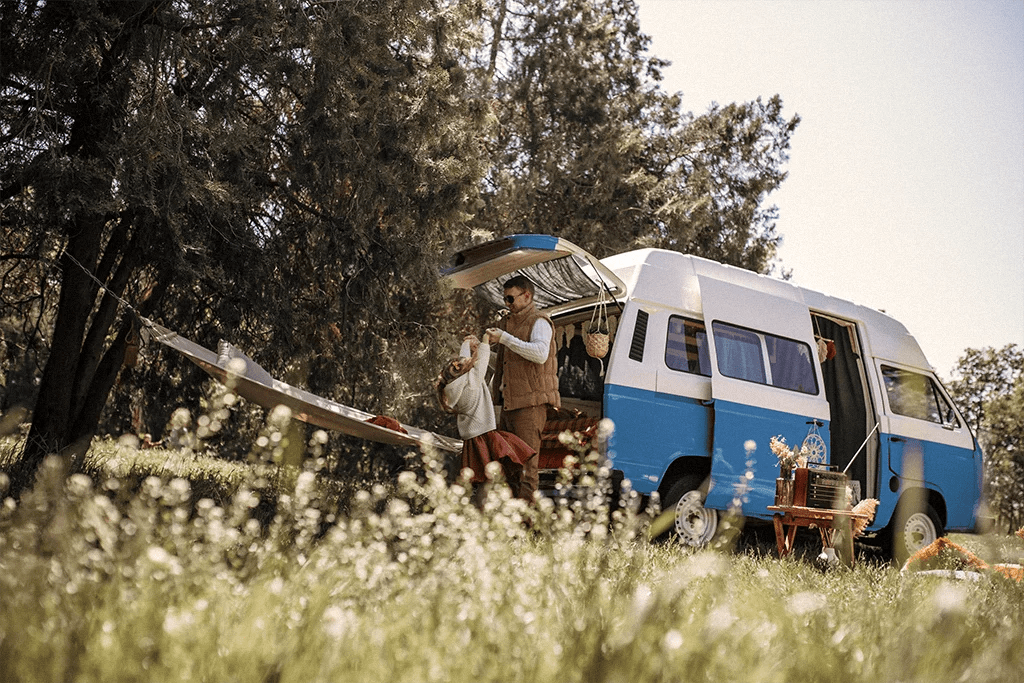
Sometimes called camper vans, Class B motorhomes are more compact and easier to drive. They may include a small kitchen, bathroom, and sleeping area for two to four people. Van conversions are usually considered Class B.
They’re commonly used for shorter trips, camping, and weekends away. Coverage still matters, but the focus is often on protecting the vehicle and the essentials you bring along.
Class C
Class C motorhomes fall somewhere in between Class A and Class B, in both size and amenities. RVs with an over-cabin sleeping area are usually considered Class C. Built on a pick-up truck chassis designed to haul a lot of weight, Class C RVs are bulky and long.
They’re popular among larger families, as they can pack in six to eight people (plus the dog!), but they can be more challenging to drive in urban areas. Some get around this by towing a smaller vehicle for sightseeing — just make sure your insurance covers both the motorhome and anything attached to it.

How much does motorhome insurance cost in Canada?
Everything from where you live to the value of your vehicle affects what you’ll pay for motorhome insurance. Here are some top factors that may affect your premium:
-
Vehicle class, age, and condition: Just like with automobile insurance, the type and condition of your motorhome will affect the cost to insure it. Larger, newer, or higher-value motorhomes typically cost more to insure.
-
Driver profile: Driving record, experience, and other personal factors can affect rates. A clean driving record can help keep costs down.
-
Safety and security features of vehicle: Features like professionally installed alarms or tracking systems aren’t just good for your peace of mind. They may actually lower your premium by reducing the risk of theft or damage.
-
Coverage type and deductible: More coverage typically means higher premiums, while a higher deductible can help lower your monthly cost. Just keep in mind you’ll pay more out-of-pocket if you make a claim.
-
Usage patterns: Whether you use your motorhome occasionally or live in it for extended periods can affect how your policy is structured — and what it costs. For instance, if you use your RV full-time, your insurance will be different than if you only have it on the road seasonally.
-
Storage location and security: You need insurance even when you’re parked for the season. How much you pay will depend on where it is stored, and how secure the spot is. You’ll likely pay more if your RV is in the driveway than if it’s in a locked garage, for example.
Who needs motorhome insurance?
If you have a motorhome, you need RV insurance, but the right coverage depends on how you use it.
Full-time RV living
If you live in your motorhome year-round, you’ll need a more comprehensive policy that allows full-time occupancy and protects both your RV and your personal effects. As your vehicle acts as both transportation and a home, your coverage will also need to do double duty. It’s worth considering an increase to your liability limits because you’re on the road frequently.
Seasonal travelers and snowbirds
If you travel for extended periods — whether across Canada during the summer or into the U.S. for winter — you’ll want comprehensive coverage for the time you’re on the road, plus reliable roadside assistance. If you intend to park in a campground, consider increasing coverage for Emergency Vacation Expense, which can help provide financial support if your motorhome is in an accident and you need a hotel, food, etc. . When the season ends, you may be able to switch to storage coverage.
Weekend warriors and vacation travellers
Even if you only get out for weekends or periodic trips, you still need proper coverage. Liability and collision coverage are key, and it’s worth making sure your policy protects your personal effects. Look into seasonal policies, and whatever insurance you choose, make sure it covers occasional use patterns.
New motorhome buyers
Financing an RV? Your lender will likely require collision and comprehensive coverage to protect the vehicle. The good news is that newer vehicles are often eligible for certain insurance discounts, so it’s worth asking what’s available.
How to choose the right motorhome insurance
There’s no one-size-fits-all policy. The right coverage depends on your motorhome, your budget, and how you plan to use it. Here’s a simple way to think it through:
1. Assess your financial situation
Start by understanding what you can afford and what you’re trying to protect, keeping in mind that you must have liability coverage for your motorhome. Ask yourself:
-
What is my vehicle worth today, based on its age and condition?
-
Could I afford to repair or replace it out-of-pocket?
-
How much risk am I comfortable with?
-
How much can I spend comfortably on insurance?
2. Understand your usage patterns
How you use your motorhome should guide your coverage. Are you a seasonal snowbird or weekend warrior? Will you be crossing the border? Where will your motorhome be stored when it’s not in use? Thinking through these details helps ensure your policy matches your lifestyle.
3. Review mandatory vs. optional coverages
Start with what’s required in your province, then go from there.
-
Look at which types of coverage are mandatory in your province.
-
If you drive a newer model, you may want to consider adding collision and comprehensive coverage. Remember: If your RV is financed, these are likely required.
-
If you camp frequently, consider Emergency vacation expense coverage.
-
If you travel to the United States, ensure you have sufficient coverage or get a U.S. exposure endorsement, if needed.
-
Consider emergency roadside assistance for longer, remote journeys or if you plan to use your RV frequently.
-
Review the personal belongings you intend to bring along and make sure you have sufficient coverage in case of theft or accident.
4. Compare deductible options
Your deductible affects your premium, and what you pay if you make a claim. A higher deductible usually lowers your premium, but increases your out-of-pocket cost if something happens. Seek to balance risk and affordability, while making sure you have funds available to pay the deductible. Also note that different deductibles may apply to different coverages, so you will want to speak with an advisor.
5. Work with an insurance advisor
A recreational vehicle is a big investment, and getting professional guidance can be beneficial. A licensed insurance advisor can walk you through your options, explain what’s required in your province, and help you choose coverage that fits your needs. They can also point out discounts or bundling opportunities, and support you if you ever need to make a claim. Book a call now with an RBC Insurance advisor.
Hit the open road with confidence
There’s a lot to do before you embark on a trip, but buying the right insurance makes peace-of-mind your co-pilot. It helps protect your investment, your plans, and the experiences you’ve been looking forward to.
Start by getting a quick estimate with RBC Insurance’s online quote tool, and then connect with a licensed RBC Insurance advisor to make sure your coverage fits how you travel. With the right protection in place, you can relax and focus on the journey — not the what-ifs.
Get Your Free Motorhome Insurance Quote
Take a few minutes to get a competitive auto insurance quote online*
*Home and auto insurance products are distributed by RBC Insurance Agency Ltd. and underwritten by Aviva General Insurance Company. In Quebec, RBC Insurance Agency Ltd. Is registered as a damage insurance agency. As a result of government-run auto insurance plans, auto insurance is not available through RBC Insurance in Manitoba, Saskatchewan and British Columbia.
This article is intended as general information only and is not to be relied upon as constituting legal, financial or other professional advice. A professional advisor should be consulted regarding your specific situation. Information presented is believed to be factual and up-to-date but we do not guarantee its accuracy and it should not be regarded as a complete analysis of the subjects discussed. All expressions of opinion reflect the judgment of the authors as of the date of publication and are subject to change. No endorsement of any third parties or their advice, opinions, information, products or services is expressly given or implied by Royal Bank of Canada or any of its affiliates.