(EN)
(EN) 


 Canada - EN
Can You Drive Without Car Insurance?

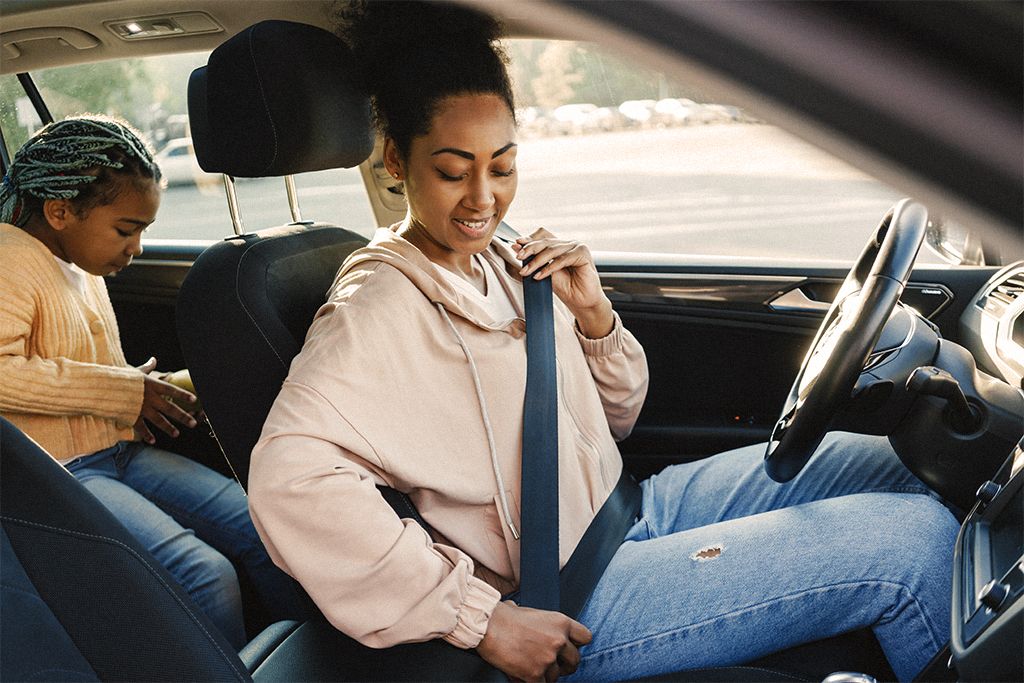

Maybe your insurance policy just expired. Maybe you’re borrowing a friend’s car for a quick errand. Or maybe you’ve bought a new car and are itching to take it for a spin before sorting out the paperwork. Now you’re wondering, can you drive without insurance in Canada?
The short answer is no. It’s against the law to drive a vehicle on public roads in Canada without the required auto insurance in place.
And driving uninsured isn’t a risk worth taking. The consequences can be serious — both legally and financially — especially if you cause an accident and end up personally responsible for injuries or damage.
Here’s what to know about the rules, potential penalties, and exceptions — and how to make sure you’re covered before you hit the road.
Key takeaways
-
You can’t legally drive without the required auto insurance in Canada. The exact coverage you need depends on your province or territory.
-
Driving uninsured can get expensive fast. You could face fines and other penalties, and you may be personally responsible for all associated costs if you cause an accident.
-
Borrowing a car doesn’t necessarily mean you need your own policy. The vehicle generally needs to be insured, and you need permission to drive it. Rules can differ if you borrow it regularly.
-
A lapse in coverage matters, even if it was accidental. If your policy expires or is cancelled, don’t drive until you’ve confirmed your coverage is back in place.
-
Mandatory insurance is just the starting point. Optional coverage, such as collision and comprehensive, can provide additional protection depending on your needs.
What happens if you drive without insurance?
It depends on what happened and where you live in Canada. You could face a hefty fine, have your licence or vehicle registration suspended, or have your vehicle impounded — meaning it’s taken off the road and held until you’re legally allowed to retrieve it. In repeat or more serious cases, there may be additional legal consequences, such as imprisonment.
The financial risk can also be huge. If you cause an accident while driving uninsured, you could be personally responsible for paying for damage to other vehicles or property, liability and legal expenses, as well as costs related to injuries. Without insurance to help cover those expenses, the bill could fall on you. Depending on the rules where you live, being uninsured may also limit your ability to receive certain compensation after an accident.
The consequences may follow you even after you’re back on the road. A lapse in coverage or a conviction for driving uninsured could make it more difficult and more expensive to get auto insurance in the future.
Penalties and fines for driving uninsured by province and territory
Penalties for driving without insurance vary by province or territory. So, if you’re wondering, “What is the penalty for driving without insurance in Ontario?” keep in mind that while Ontario has its own penalties, they can vary significantly across Canada.
Each province and territory sets its own rules, and the consequences can include fines, licence or registration suspensions, vehicle impoundment, and other penalties. Repeat offences generally come with tougher consequences.
Here’s a snapshot of the possible consequences across the country.
-
Ontario: Fines up to $50,000 + applicable victim fine surcharge
-
Quebec: Fines up to $2,800
-
Alberta: Fines up to $20,000
-
Atlantic Canada: Fines up to $5,800+
-
Territories: Fines up to $5,000
Note that this information is accurate as of the publishing date, so treat this as a general run down only. Actual fines and other penalties can vary depending on the circumstances, including whether you’ve been convicted of driving uninsured before.
The takeaway? Driving without insurance can get expensive fast, and a monetary fine may only be the beginning. If you cause a crash while uninsured, you could be on the hook for bills that may otherwise be covered by insurance. Since coverage and requirements may vary widely, consider speaking with your licensed RBC Insurance advisor to ensure you don’t have any gaps in coverage.
Common situations where people drive uninsured
It’s not always a case of someone deliberately deciding to drive without insurance. Here are some common scenarios where people may drive without auto insurance.
Can you drive if your auto insurance policy lapses?
No, you cannot legally drive if your policy lapses. A missed payment or a renewal that slips through the cracks can leave you without valid coverage. And even if the lapse was accidental, you generally can’t legally get behind the wheel until insurance is back in place.
It’s important to deal with this slip-up right away. Aside from leaving you unprotected if something happens, a break in your insurance history could also make coverage more expensive or harder to get in the future.
Can you drive someone else’s car without your own insurance?
Usually, no. You generally don’t need your own auto insurance policy just to occasionally drive someone else’s vehicle. Auto insurance typically follows the car — not the driver. If you borrow someone’s car, you are also borrowing their insurance. The owner of policy (named insured) is financially responsible if a claim is made on their policy.
But there are some ground rules. The vehicle needs to be insured, you need a valid licence, and you need the owner’s permission to drive it. The owner’s policy will generally provide coverage when someone occasionally borrows the car, but exclusions and restrictions can apply.
“Occasionally” is the key word here. There’s a big difference between borrowing your parents’ car for an afternoon and driving it several times a week to commute to school. If you regularly use the vehicle or live with the owner, you may need to be listed on their policy.
And if renting cars is a regular thing, you can usually purchase insurance from the rental company.
Do you need auto insurance to test drive a car?
If you’re test-driving a car at a dealership, the vehicle is usually insured by the dealership. You’ll also need to be legally allowed to drive, which is why you may be asked to show a valid driver’s licence before taking it for a spin.
There is one hitch: some dealerships may ask you to sign a waiver that makes you responsible for certain damage during the test drive. Read the fine print before you sign anything.
What about a private sale? Generally, you don’t need your own auto insurance policy just to take someone else’s car for a test drive. Until you buy it, the car still belongs to the seller, and you are borrowing their insurance under their policy.
That said, don’t just take the seller’s word for it. Their insurance may have lapsed, or they may not even be the registered owner. If something goes wrong on the test drive, you could be left in the lurch.
How to get car insurance before you drive
Before you pull out of the driveway, get your auto insurance sorted first. Here are some tips to get going.
Step 1: Gather your information
You’ll typically need some basic details about yourself and the vehicle, such as your driving and insurance history, plus the car’s make, model, year, and vehicle identification number (VIN). Having everything at your fingertips can make the process faster.
Step 2: Figure out what coverage you need
There’s the insurance you must have, and then there’s the insurance you may want to have.
Auto insurance requirements vary across Canada, but third-party liability insurance is one of the core mandatory coverages. It helps protect you financially if you’re responsible for injuring someone or damaging their property. Other coverage may also be required based on where you live.
Step 3: Decide whether you want extra protection
Mandatory coverage is only the starting point. You can also choose optional coverage for risks you’d rather not pay for out of pocket. For example:
-
Collision coverage can help with the cost of repairing or replacing your vehicle after a collision.
-
Comprehensive coverage can help protect against certain non-collision risks, such as theft, vandalism, and some types of weather damage.
When it comes to getting collision and comprehensive coverage, what makes sense will depend on your vehicle, budget, and how much risk you’re comfortable taking on yourself.
Step 4: Compare the options
Don’t just look at the price tag on the premium. Compare what you’re actually getting for your money, including coverage limits and deductibles. Two policies with similar prices can offer very different protection.
A licensed RBC Insurance advisor can provide a quote, explain your options, and help you choose coverage that fits your situation.
Read more: How to Save Money on Car Insurance in Canada
One quick drive isn’t worth the risk
Driving without insurance may be tempting to shrug off, but having valid auto insurance is the law in Canada. It can also protect you from shouldering potentially catastrophic costs if something goes sideways. Before you turn start the car, make sure that the vehicle is insured and that you’re covered to drive it.
Need help figuring out your coverage? Speak with a licensed RBC Insurance advisor to review your coverage options or use the RBC Insurance online quote tool to find the right fit for your needs.
Get Your Free Car Insurance Quote
Take a few minutes to get a competitive auto insurance quote online
*Home and auto insurance products are distributed by RBC Insurance Agency Ltd. and underwritten by Aviva General Insurance Company. In Quebec, RBC Insurance Agency Ltd. Is registered as a damage insurance agency. As a result of government-run auto insurance plans, auto insurance is not available through RBC Insurance in Manitoba, Saskatchewan and British Columbia. Not everyone who uses online platforms or calls in will be able to get a quote or buy an insurance policy.
This article is intended as general information only and is not to be relied upon as constituting legal, financial or other professional advice. A professional advisor should be consulted regarding your specific situation. Information presented is believed to be factual and up-to-date but we do not guarantee its accuracy and it should not be regarded as a complete analysis of the subjects discussed. All expressions of opinion reflect the judgment of the authors as of the date of publication and are subject to change. No endorsement of any third parties or their advice, opinions, information, products or services is expressly given or implied by Royal Bank of Canada or any of its affiliates.