(EN)


 Canada - EN
A Guide to Snowmobile Insurance in Canada: Protect Your Next Adventure

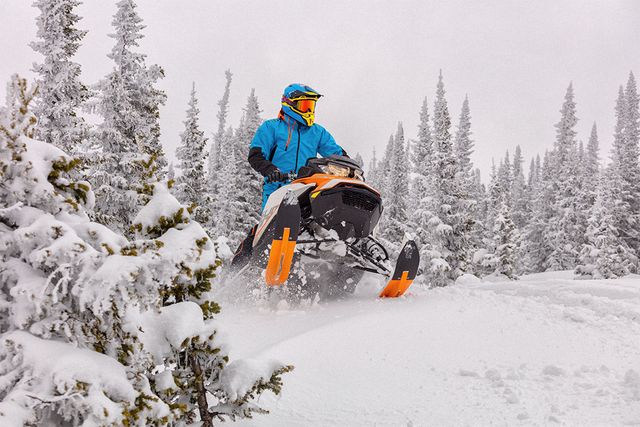

For thousands of Canadians, snowmobiling is winter at its best. Trails winding through the boreal forest. Frozen lakes that open into wide, white horizons. Fresh powder inviting you to go farther. And a machine built to eat through all of it. Whether you ride with friends, take the family out, or explore on your own, a snowmobile turns a winter weekend into an adventure.
But speed, thin ice, rough terrain, and sharing space with other sledders could mean trouble. Collisions can happen. Riders can get hurt. Snowmobiles may be stolen. That’s why sorting out your snowmobile insurance coverage before you ride is crucial. Otherwise, you may only find out what you’re missing when it’s too late and the costs are yours to cover.
This guide walks you through the basics of snowmobile insurance in Canada – what it covers (and doesn’t), what and when you must have it, how much it costs and tips to lower your premiums.
Key takeaways
-
Snowmobiles need their own insurance. Your auto or home policy won’t cut it. Standard car insurance doesn’t extend to off-road vehicles like snowmobiles, and home insurance may only cover a parked sled, not one you’re riding.
-
Liability coverage is mandatory in most provinces if you ride off your own property. Riding on public trails, Crown land, road allowances, or frozen lakes generally requires liability insurance, and most organized trail systems demand proof of it
-
Coverage comes in two layers: what you must have and what you can add.
-
You can lower your premiums with a few practical steps. Bundling your snowmobile policy with your home or auto insurance, raising your deductible, reducing theft risk with tracking devices and secure storage, and more.
What is snowmobile insurance?
Snowmobile insurance, also known as skidoo or sled insurance, is a specialized policy designed to protect you, your machine, and others in the event of an accident, injury, or loss. Many people assume their existing car insurance coverage protects them once you’re on the trails. It doesn’t.
A standard car insurance policy doesn’t extend coverage to off-road vehicles (OHVs) like snowmobilesbecause the risks are very different. Snowmobiles can hit high speeds, cover rugged terrain, and in the wrong moment, cause serious damage or injury. Like insurance for other off-road vehicles – ATVs, trailers, and boats – snowmobile insurance is tailored to the risks of recreational use, not everyday road driving.
The coverage it provides looks a lot like what you’d find in an auto insurance policy – liability, accident benefits, and optional protection for the sled itself. Exactly what and how much coverage you’re required to have depends on where you ride and live in Canada.
Do you need insurance for a snowmobile?
Yes, in most provinces you must have liability insurance coverage if you plan to ride off your private property. Public land includes public trails, Crown land, a road allowance, or a frozen lake. Organized trails systems are the big one here. Most require proof of liability insurance before you can use their trails. Many also have their own permit requirements on top of that. The exact rules and requirements differ by province and territory.
If you ride on only your private property, you’re not legally required to have coverage. But it’s still worth considering – risks don’t disappear just because you’re on home soil. Someone could get hurt while you’re riding on your land. Or your sled could be stolen. You may assume your home or cottage insurance will automatically protect you. It may cover your sled if something happens to it when it’s parked. But a standard home policy doesn’t protect you while riding.
Before you head out, speak with an RBC Insurance advisor to understand exactly what coverage is mandated in your province and what options are available.
What does snowmobile insurance cover?
Snowmobile insurance typically breaks down coverage as optional (what you can add) and required (what you must have).
Depending on where you live in Canada, Liability-only, coverage typically includes:
-
Third-party liability coverage,the foundation of any snowmobile policy. If you injure someone or damage their property while riding your sled, liability insurance helps pay for it – medical costs, repairs, legal fees, all of it. On busy trails, where accidents with other riders or bystanders can happen, this is essential.
-
Accident benefits coverage protects you if you’re injured or killed in an accident, regardless who’s at fault. (This is optional in Newfoundland.) It helps replace lost income and pay for medical expenses not covered by provincial health plans. In the case of death, death benefits are paid out to your loved ones.
-
Direct compensation – property damage (DCPD) coverage helps pay for damages to your snowmobile caused in an accident if another rider is at fault.
-
Uninsured motorist coverage provides benefits to you and your family if you’re injured or killed by an uninsured or underinsured driver, or by a driver who fled the scene and you can’t identify.
Expanding your coverage to protect your snowmobile is often recommended, so you aren’t left paying for repairs or replacement out-of-pocket. Options include:
-
Collision or upset insurance, whichcovers your snowmobile if it crashes into another vehicle or stationary object like a tree.
-
Comprehensive covers your snowmobile in non-collision events, like fire, theft, vandalism and weather.
-
Specified perils covers only the risks named in your policy, such as a fire or major storm.
-
All perils coverageprovides full protection of all risks, combining collision and comprehensive coverage into one package.
If you’ve invested in riding gear, accessors and a trailer, you may also want extra coverage for them by adding endorsements to your policy.
How much is snowmobile insurance?
The cost of snowmobile insurance varies widely across the country, just like car insurance. In addition to scope of coverage, premiums are based on you, your machine, and how and where you ride. A basic liability-only policy on a modest sled ridden mostly on groomed trails will cost much less than comprehensive coverage on a high-performance machine used regularly in backcountry terrain.
Getting a quote online can give you an idea of what your cost could be. Understanding what drives that number – and how to manage it – helps you go in prepared.
6 factors that affect your snowmobile insurance rates
Key factors that insurers consider when pricing your premium include:
Newer riders often pay more than experienced riders with clean records. But completing an approved snowmobile safety course often qualifies a new driver for a discounted rate.
1. Coverage and deductible. More coverage costs more, just as choosing a higher deductible will lower your monthly or yearly premiums.
2. Age and driving history. Your driving record – both riding a sled and driving a car – has a major impact on your premiums. So does the driving history of everyone listed on a policy. At-fault claims related to sledding can spike rates, but so can auto accidents and tickets.
Newer riders often pay more than experienced riders with clean records. But completing an approved snowmobile safety course often qualifies a new driver for a discounted rate.
Some insurers let you add underage or unlicensed riders to your policy. Whether that’s an option depends on the province you live in – and in some cases, on whether that rider has a license to operate a snow vehicle after taking an approved safety course. In Ontario, for example, the Ontario Federation of Snowmobile Clubs’ training program is one approved route.
3. Your sled. The engine size and value of your sled are key factors insurers look at. Bigger, faster, pricier machines typically cost more to cover since they cost more to repair or replace. Some sleds may be tough or expensive to insure, while others won’t even qualify. This includes machines built for racing or jumping, sleds that have been heavily modified, and certain foreign models. If you’re eyeing a new ride, it’s worth checking that it’s insurable before you buy it.
4. Where you live. Your location changes your rate, same as it does with car insurance.
5. Where and how often you ride: Racing or extreme off-trail riding is often considered higher risk by insurers, which can mean higher premiums than occasional recreational riding on well-maintained trails.
6. How it’s stored. Keeping your sled in a secure location that’s enclosed and out of sight reduces the risk of it getting damaged or stolen.
How to lower your snowmobile insurance rates
You can take a few practical steps to help reduce your premium costs, including:
Bundle your policies. Adding your snowmobile coverage with the same insurer that handles your house, cottage, or car can significantly reduce your premiums with multi-product discounts commonly offered by insurers. It’s one of the simplest ways you can save.
Raise your deductible. Choosing to pay more out-of-pocket in a claim generally lowers your premiums. Just make sure it’s an amount you could comfortably cover if you needed to.
Reduce theft risk. Snowmobile theft is a real concern, especially during off-season. Install tracking and anti-theft devices on your sled, and keep it in a locked, covered facility.
Keep your driving record clean. It’s easy getting caught up in the thrill of the ride, but riding responsibly pays off. Insurers reward clean records over time with substantially lower rates.
Snowmobile insurance doesn’t have to be complicated. Get a snowmobile insurance quote in minutes by speaking with a licensed RBC Insurance advisor to make sure you have the right coverage — so you can focus on the adventure, not what could go wrong.
Get Your Free Snowmobile Insurance Quote
Take a few minutes to get a competitive auto insurance quote online
Frequently asked questions about snowmobiles
Is snowmobile insurance mandatory in Canada?
In Canada, snowmobile insurance is mandatory if you plan to ride your sled on public land in most provinces. While the specific requirements vary by province and territory, generally liability insurance is recommended if riding on public trails, Crown land, frozen lakes, or road allowances. In fact, most trail systems require proof of insurance to gain access. Even if you ride just on your own property, going without insurance is a risk. If a friend gets hurt or your sled is stolen from the garage, you’re paying out of pocket.
Does my home or auto insurance cover my snowmobile?
A standard home or auto insurance policy doesn’t cover the operation of a snowmobile.
Auto insurance doesn’t extend coverage to any off-road vehicles, and a snowmobile is one of them. It needs its own policy to be covered properly. Similarly, while your home insurance may provide some coverage if your sled is parked on your property, a standard policy doesn’t cover the operation of a motorized vehicle – so it won’t protect you while you’re out riding.
Does snowmobile insurance cover me on frozen lakes and public trails?
Snowmobile insurance generally covers public trails, but for frozen lakes it depends on the scenario. Before you head out onto a lake, make sure you know what your policy will and won’t cover.
*Home and auto insurance products are distributed by RBC Insurance Agency Ltd. and underwritten by Aviva General Insurance Company. In Quebec, RBC Insurance Agency Ltd. Is registered as a damage insurance agency. As a result of government-run auto insurance plans, auto insurance is not available through RBC Insurance in Manitoba, Saskatchewan and British Columbia. Not everyone who uses online platforms or calls in will be able to get a quote or buy an insurance policy.
This article is intended as general information only and is not to be relied upon as constituting legal, financial or other professional advice. A professional advisor should be consulted regarding your specific situation. Information presented is believed to be factual and up-to-date but we do not guarantee its accuracy and it should not be regarded as a complete analysis of the subjects discussed. All expressions of opinion reflect the judgment of the authors as of the date of publication and are subject to change. No endorsement of any third parties or their advice, opinions, information, products or services is expressly given or implied by Royal Bank of Canada or any of its affiliates.