(EN)
(EN) 


 Canada - EN
Cottage Insurance in Canada: A Guide

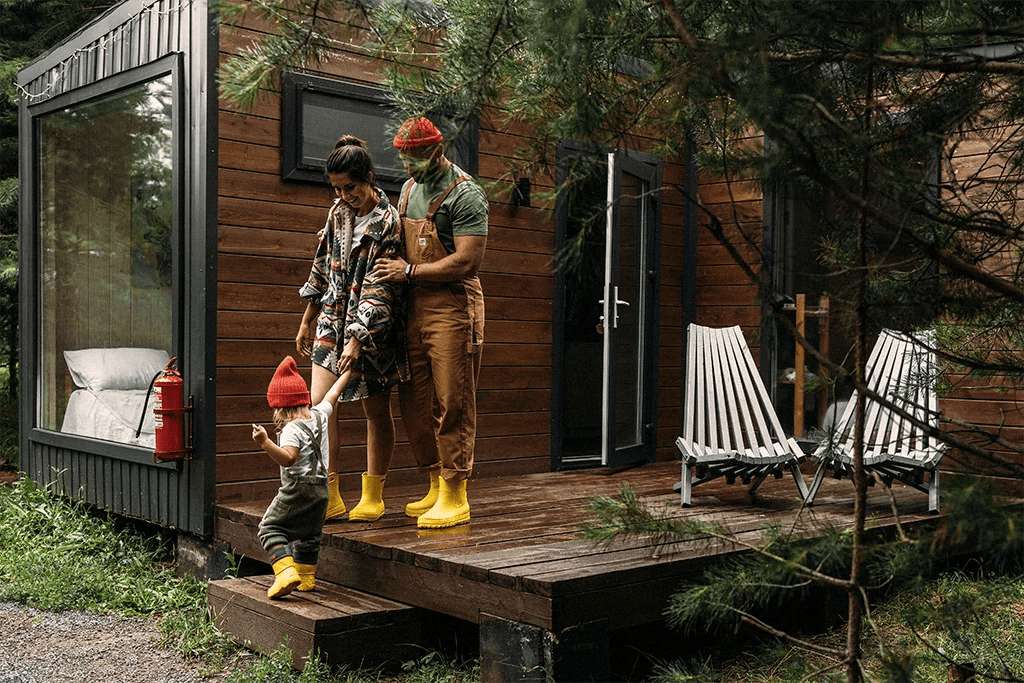

Is there anything more quintessentially Canadian than a weekend at the cottage — mornings on the dock, a paddle across the lake, and evenings around the bonfire? For many Canadians, a cottage isn’t just a property. It’s a place to unwind, gather, and create lasting memories — whether it’s a summer getaway or a year-round family retreat.
But owning a second home comes with unique risks. From seasonal weather to extended vacancies to rental use, cottage properties face challenges that standard home insurance doesn’t always fully cover.
This article looks at how second home insurance works, how it differs from traditional Canadian home insurance, and what you can do to protect your property — whether’s it’s for personal use or rented out to guests.
Key takeaways
-
Cottage insurance is designed for secondary homes, covering risks that don’t always apply to primary residences.
-
It can cover your cottage, other structures, your belongings, and liability, but there are limits — so don’t assume everything is included.
-
Some things (like flooding or damage from leaving the place unattended too long) may not be covered unless you add extra protection.
-
How you use your cottage matters — whether it’s seasonal, year-round, or rented out can affect both your coverage and your cost.
-
Don’t just look at price — look at what’s actually covered, and make sure it would be enough to rebuild and replace what you have.
What is cottage insurance in Canada?
Cottage insurance is a type of property insurance designed specifically for vacation homes — whether that’s a summer cottage, a cabin, or a second property you use year-round.
Unlike your primary residence, a cottage might not be used for long stretches, be harder to access, or face different risks depending on the season. That’s why standard home insurance doesn’t always fully cover it.
Cottage insurance is built with those differences in mind. It typically covers the property itself, your belongings, and liability — while also accounting for things like seasonal use, remote locations, and exposure to weather or wildlife.
Cottage insurance versus home insurance
At a glance, cottage insurance and home insurance might seem similar — but they’re built for very different realities.
-
Standard home insurance is designed for a property you live in full-time. It assumes the home is regularly occupied, easy to access, and close to emergency services. Because of that, it often provides broader, more comprehensive coverage.
-
Cottage insurance reflects how vacation properties are actually used. Your cottage might sit empty for weeks or months, be located far from the nearest fire station, or only be accessible by water or seasonal roads. These factors can change how coverage is structured.
That’s why cottage insurance policies are often more tailored. Coverage can vary depending on how often you use the property, whether it’s winterized, how long it’s left vacant, and whether you rent it out. In some cases, coverage may be more limited or require additional options to fully protect the property.
What does cottage insurance cover?
Cottage insurance is designed to help protect your property and the risks that come with owning a vacation home. While coverage varies by policy, it generally includes:
-
The dwelling — covers the primary structure and built-in features.
-
Detached structures, such as sheds, boathouses, docks, or other buildings on the property.
-
Personal property — coverage for belongings like furniture, clothing, and recreational items, subject to limits and exclusions.
-
Liability protection — coverage if someone is injured on your property or you accidentally cause damage to someone else’s property.
-
Certain types of damage, including events like fire, theft, some weather-related damage, or damage caused by animals, depending on the policy.
It’s worth reviewing your policy carefully so you understand what’s covered, what isn’t, and any conditions that could affect your coverage — ideally before something unexpected happens, like squirrels throwing a party in your hot tub.
What does cottage insurance not cover?
While cottage insurance can offer valuable protection, it doesn’t cover everything. Coverage varies by policy, but some types of damage are typically not included or may require additional coverage:
-
Wear and tear — damage that happens gradually over time from regular use.
-
Damage related to vacancy — coverage may be limited if the property is left unoccupied for extended periods without proper precautions.
-
Flood damage — often not included as standard coverage and may require separate coverage.
Damage caused by a failure to properly maintain the property — such as frozen pipes, roof leaks, or other preventable issues.
Coverage isn’t one-size-fits-all, so it helps to know where you might need extra protection.
How much does cottage insurance cost in Canada?
The cost of cottage insurance in Canada can vary widely, but most cottage owners can expect to pay somewhere between $800 and $3,000 per year.
Where your cottage is located can make a noticeable difference. For example, properties in more remote or harder-to-access areas may cost more to insure. Regional risks also play a role — cottages in areas prone to wildfires, severe storms, or flooding may come with higher premiums.
For example, cottages in parts of British Columbia and Alberta may face higher premiums due to elevated wildfire risk, while properties in coastal or low-lying areas in Atlantic Canada may be more affected by storm-related risks.
What factors affect the cost of cottage insurance?
The price of cottage insurance can vary quite a bit, depending on your property and how you use it. Here are some of the biggest factors:
Location and access
Is your cottage off the highway and close to town? Or is it a backcountry cabin accessed by boat? Properties that are more remote or harder to access — for example, those without year-round road access — may cost more to insure.
Insurers may also look at how close you are to emergency services like fire stations, as well as access to water sources such as hydrants or lakes, which can affect response times in an emergency.
How you use the property
How frequently you use your cottage can impact your premium. A property that’s used year-round and regularly occupied may be considered lower risk than one that’s only used occasionally or left unoccupied for long periods.
Insurers may also look at whether your cottage is considered a seasonal property, a secondary home, or something in between — as this can affect both coverage and cost.
Rental use
If you rent out your cottage — even occasionally — that can affect both your coverage and your premium. Short-term rentals can introduce additional risks, so you may need specific coverage to make sure you’re properly protected.
The property’s value and condition
Is your place an off-the-grid cabin built by your grandparents in the 1960s? Or shiny new lakefront mansion that’s got all the newfangled tech? The size, age, and condition of your cottage all factor into the cost of insurance.
Larger or higher-value properties generally cost more to insure, as do cottages with features like wood-burning stoves or older electrical systems. Renovations and upgrades can also affect how your property is assessed.
Coverage limits and deductible
The amount of coverage you choose — and the deductible you’re comfortable with — may impact your premium. The more coverage you choose, the more you’ll typically pay. Choosing a higher deductible can help lower your premium.
Optional cottage insurance coverage
Depending on how you use your cottage, you might need a bit more coverage than a standard policy provides.
-
Water damage: Helps cover water-related damage — like sewer backups, service line issues, or overland flooding — which aren’t always included in standard coverage.
-
Short-term rental protection: If you rent out your cottage, this can help protect you if guests cause damage. It may also help cover lost rental income if you can’t rent the property after a covered loss.
-
Vehicle coverage: If you keep things like boats, ATVs, and snowmobiles, you may want separate coverage to protect them against damage, theft, liability, and more.
How to choose the right cottage insurance policy
Choosing the right cottage insurance comes down to understanding your property, your risks, and how you plan to use it. Here are a few things to keep in mind:
Start with your coverage needs
What would it cost to rebuild your cottage and replace everything inside it? Think about what it would cost to rebuild your cottage today — not what you originally paid for it. Rebuilding costs (known as replacement cost) can be higher due to materials, labour, and location.
You’ll also want to factor in the value of your belongings, along with risks specific to your property, like weather exposure, accessibility, and whether you rent it out.
Once you have a general understanding, it will help you nail down the type and how much insurance coverage to get.
Understand coverage limits
Not all policies are the same. Some cover the full replacement cost of your property, while others factor in depreciation (actual cash value). Others may insure your cottage against natural events, like earthquake or flooding. Also, check how much coverage you have for personal belongings.
Look at ways to bundle and save
Bundling your cottage insurance with other policies — like your home or auto insurance — may help lower your overall cost and simplify your coverage.
Consider how often you pay your premium
Some insurers offer savings if you pay annually instead of monthly, so it’s worth comparing your options.
Compare the options
Don’t just look at price — compare what’s actually covered. Policies can differ in terms of limits, exclusions, and how your property is valued, so it’s worth making sure you’re getting the protection you need. You can use this RBC Insurance calculator to get a quote.
Consult an expert
If you’re unsure, an RBC Insurance advisor can walk you through your options, explain how different types of coverage work, and help you spot any gaps. They can also tailor your policy based on how you use your cottage and may suggest ways to bundle it with other RBC policies to help you save.
Bringing it all together
Owning a cottage comes with a unqiue risks — and your insurance should reflect that. From how often you use the property to where it’s located and what you keep there, the right coverage depends on your specific situation.
Taking the time to understand your options now can help you avoid surprises later — and give you confidence that your property is protected, no matter what comes your way.
Because at the end of the day, cottage life is about slowing down — whether that’s sitting on the dock, watching the sun set over the water, or spending time with the people who matter most. The right coverage helps make sure you can focus on those moments, not what could go wrong.
FAQs about cottage insurance in Canada
Do I need insurance for my cottage in Canada?
Cottage insurance isn’t legally required, but going without it is risky. If your cottage is financed with a mortgage, your lender will typically require you to have insurance in place. Even if it’s fully paid off, you’d be responsible for any repair or replacement costs — as well as liability if someone is injured on your property — if something goes wrong.
Can I insure a cottage I rent out?
Yes — but you need to be upfront about it. Renting out your cottage changes your risk profile, so your insurer needs to know how often and for how long it’s rented. In many cases, you’ll need additional coverage or a policy designed for short-term rentals.
Can I get insurance for a cottage accessible by air or water?
Yes, but it can be more complex. Remote or hard-to-access properties may be considered higher risk, which can limit your options or increase your premium. You may need a specialized or standalone policy, rather than bundling it with your home insurance.
Does cottage insurance cover my dock and boathouse?
Yes, but it depends on the policy. Structures like docks, boathouses, sheds, and bunkies are typically covered as “other structures,” but coverage limits may apply. It’s worth checking your policy to make sure the limits are high enough to fully protect them.
Is flood insurance covered in cottage insurance?
Not usually by default. Coverage for water damage — especially overland flooding or shoreline flooding — often needs to be added separately. What’s included can vary widely, so it’s important to review the details and consider extra protection if your property is near water.
*Home and auto insurance products are distributed by RBC Insurance Agency Ltd. and underwritten by Aviva General Insurance Company. In Quebec, RBC Insurance Agency Ltd. Is registered as a damage insurance agency. As a result of government-run auto insurance plans, auto insurance is not available through RBC Insurance in Manitoba, Saskatchewan and British Columbia. Not everyone who uses online platforms or calls in will be able to get a quote or buy an insurance policy.
This article is intended as general information only and is not to be relied upon as constituting legal, financial or other professional advice. A professional advisor should be consulted regarding your specific situation. Information presented is believed to be factual and up-to-date but we do not guarantee its accuracy and it should not be regarded as a complete analysis of the subjects discussed. All expressions of opinion reflect the judgment of the authors as of the date of publication and are subject to change. No endorsement of any third parties or their advice, opinions, information, products or services is expressly given or implied by Royal Bank of Canada or any of its affiliates.