(EN)
(EN) 


 Canada - EN
What Homeowners Need to Know About Ice Damming


On this page
- What is an ice dam?
- How can ice damming be harmful to your home?
- How to tell if you have an ice dam
- What happens when the snow and ice melts?
- How to prevent and manage ice dams
- Will my home insurance company cover ice dams?
- Protect your home from ice and snow
- Great Rates and Expert Advice on Home Insurance
Canada is known as the Great White North for a reason. Winters can be long and unpredictable. Above zero temperatures one day and biting cold the next. With it brings a potential problem for Canadian homeowners: ice damming.
Ice damming—a build-up of ice on the exterior of your home—is more than a minor inconvenience. It can wreak serious, and costly, havoc on your home and its contents. Which is why it’s important for homeowners to recognize if you have an ice dam, and how to protect your property from the dangers of ice damming during the winter thaw.
Key takeaways
-
An ice dam is a build-up of snow and ice on the edge of a roof or eavestrough.
-
Ice dams can be identified by the presence of large, thick icicles, ridges of ice along the eaves, and water stains or leaks on ceilings and exterior walls.
-
Ice dams can damage your property’s roof, eavestrough, cause water damage inside the home, and in severe cases cause structural collapse of outbuildings.
-
To prevent ice damming, monitor snow build up on your roof, regularly check that your eavestroughs and drains are clear of blockages, ensure your attic is well insulated, and safely remove snow after a heavy snowstorm.
What is an ice dam?
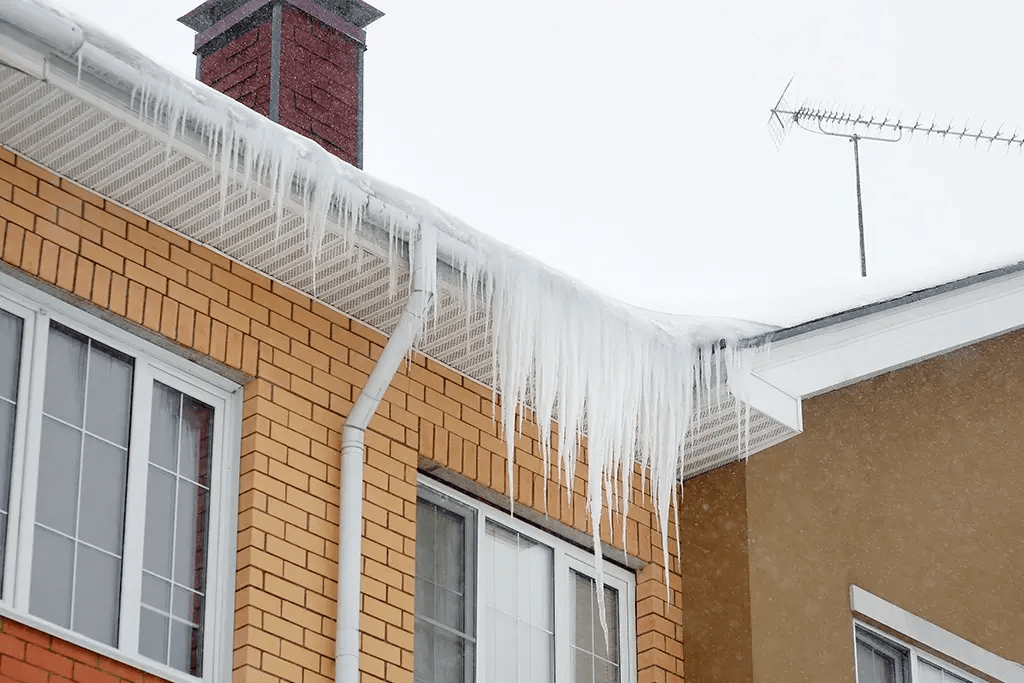
An ice dam is a buildup of ice that forms along the edge of a roof or in eavestroughs when melting snow cannot drain properly. It then pools and refreezes. This commonly occurs during cycles of warming and freezing, especially when there is improper attic insulation or ventilation, snow accumulation, or your eavestroughs are blocked from debris.
How can ice damming be harmful to your home?
As the ice accumulates, it can prevent additional melted snow from draining. The trapped water could then cause damage to the home in multiple ways:
-
Damage to eavestroughs, soffits, shingles, and downspouts.
-
Water damage inside the home, such as stains on ceilings or exterior walls, wet insulation, mold or mildew, or moisture on the underside of roof decking.
-
In severe cases, structural collapse of outbuildings. e.g., sheds, porches, or sunrooms due to a weakened roof structure from ice and snow.
Read more: How to protect your home in the winter
How to tell if you have an ice dam
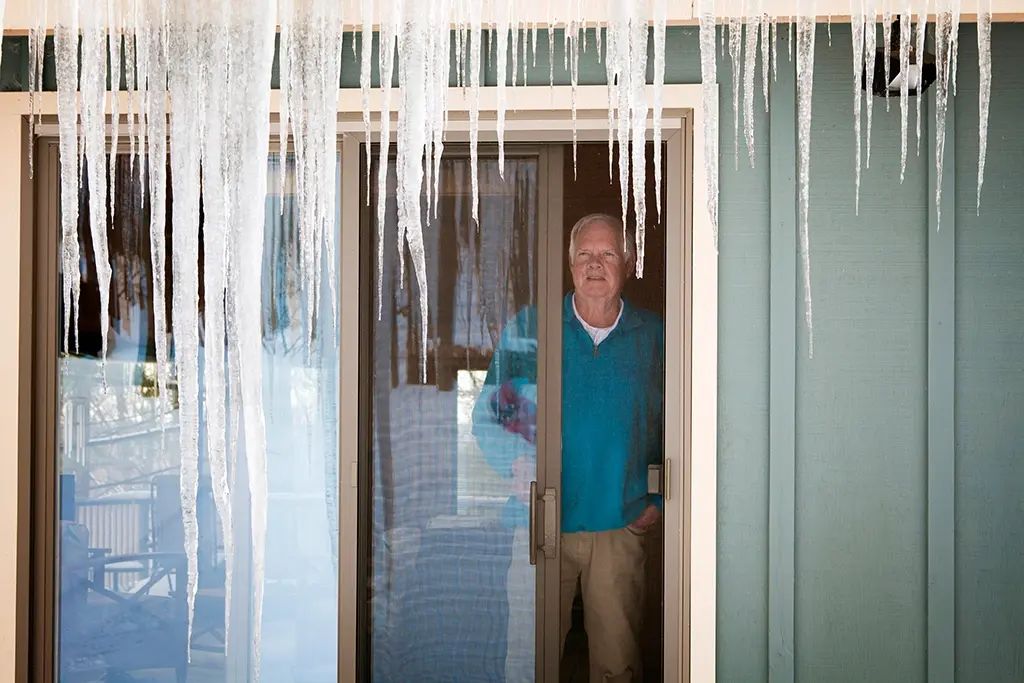
Unlike small icicles that can form as snow begins to melt, ice dams are larger and should be more obvious. Some of the signs to look for include:
-
Long, thick icicles than hanging from your roof or gutters, especially if it’s on a part of your house that isn’t exposed to direct sunlight.
-
Visible ice filling or overflowing from gutters and downspouts, preventing proper water drainage.
-
Sagging or collapsed ice-filled eavestroughs.
-
Snow on the upper part of the roof melts while the lower edge remains covered.
-
Moisture on the ceiling, peeling paint, or damaged or wet insulation, especially near exterior walls or the upper floor.
What happens when the snow and ice melts?
As the temperature increases, snow and ice can melt and cause additional water damage or flooding in your home. However, you can help prevent damage by:
-
Clearing any blockages from your drains.
-
Seal any cracks or openings in your home.
-
Monitor the water levels in your sump pumps.
How to prevent and manage ice dams
Here’s how proactive homeowners can help prevent ice damming from damaging your property:
-
Monitor snow buildup on your roof and remove snow from the edge of your roof after heavy storms with a roof rake if it’s safe to do so. Otherwise, consider hiring professional instead.
-
Regularly check to ensure that your eavestrough, downspout and drains are clear of debris or blockages.
-
Install gutter guards to prevent debris from building up.
-
Ensure your attic is well insulated to keep the warmth inside your home, helping to reduce melting on the roof.
-
Identify and seal air leaks in your attic, around plumbing vents, chimney, or light fixtures.
-
For severe buildup, contact a professional to safely remove ice dams.
Will my home insurance company cover ice dams?
Most home insurance companies in Canada cover sudden or accidental water damage caused by ice damming, such as a leaking roof or water damage inside your property. However, insurance policies vary, and it’s important to understand the terms of your home insurance coverage.
As a homeowner, you’re expected to care for your property, such as maintaining roof and gutters, which helps mitigate damages that could result in a larger loss. If you have damage caused from an ice dam, contact your insurer right away. Otherwise, it can lead to more serious damage to your home.
Read more: What personal property is covered in my home?
Protect your home from ice and snow
By taking action now to protect your property from ice damming, you can reduce the likelihood of damage to your property. Make sure you understand what your policy covers and does not, and if needed update your policy coverage and limits to ensure you have the right coverage for your home. For more information about how to make a claim online or by telephone, visit our home and property claims site.
Great Rates and Expert Advice on Home Insurance
Get a free online quote* for coverage to protect you, your property, and your belongings from the unexpected.
*Home and auto insurance products are distributed by RBC Insurance Agency Ltd. and underwritten by Aviva General Insurance Company. In Quebec, RBC Insurance Agency Ltd. Is registered as a damage insurance agency. As a result of government-run auto insurance plans, auto insurance is not available through RBC Insurance in Manitoba, Saskatchewan and British Columbia. Not everyone who uses online platforms or calls in will be able to get a quote or buy an insurance policy.
This article is intended as general information only and is not to be relied upon as constituting legal, financial or other professional advice. A professional advisor should be consulted regarding your specific situation. Information presented is believed to be factual and up-to-date but we do not guarantee its accuracy and it should not be regarded as a complete analysis of the subjects discussed. All expressions of opinion reflect the judgment of the authors as of the date of publication and are subject to change. No endorsement of any third parties or their advice, opinions, information, products or services is expressly given or implied by Royal Bank of Canada or any of its affiliates.